
A practical editor's guide to the latest non GamStop casinos UK 2026, covering no deposit bonuses, licensing risks, payment speed and operator comparisons. read the latest non GamStop casino comparison
Bachelor of Science in Anesthesia Technology
Our 4-year BS Dental Technology program teaches you to create dental prosthetics, dentures, crowns, and
appliances. You’ll work with dental materials and equipment, creating restorations that help patients chew and
smile. This combines technical skill with precise dental lab work.
Training includes both classroom learning and practice in dental laboratory settings.
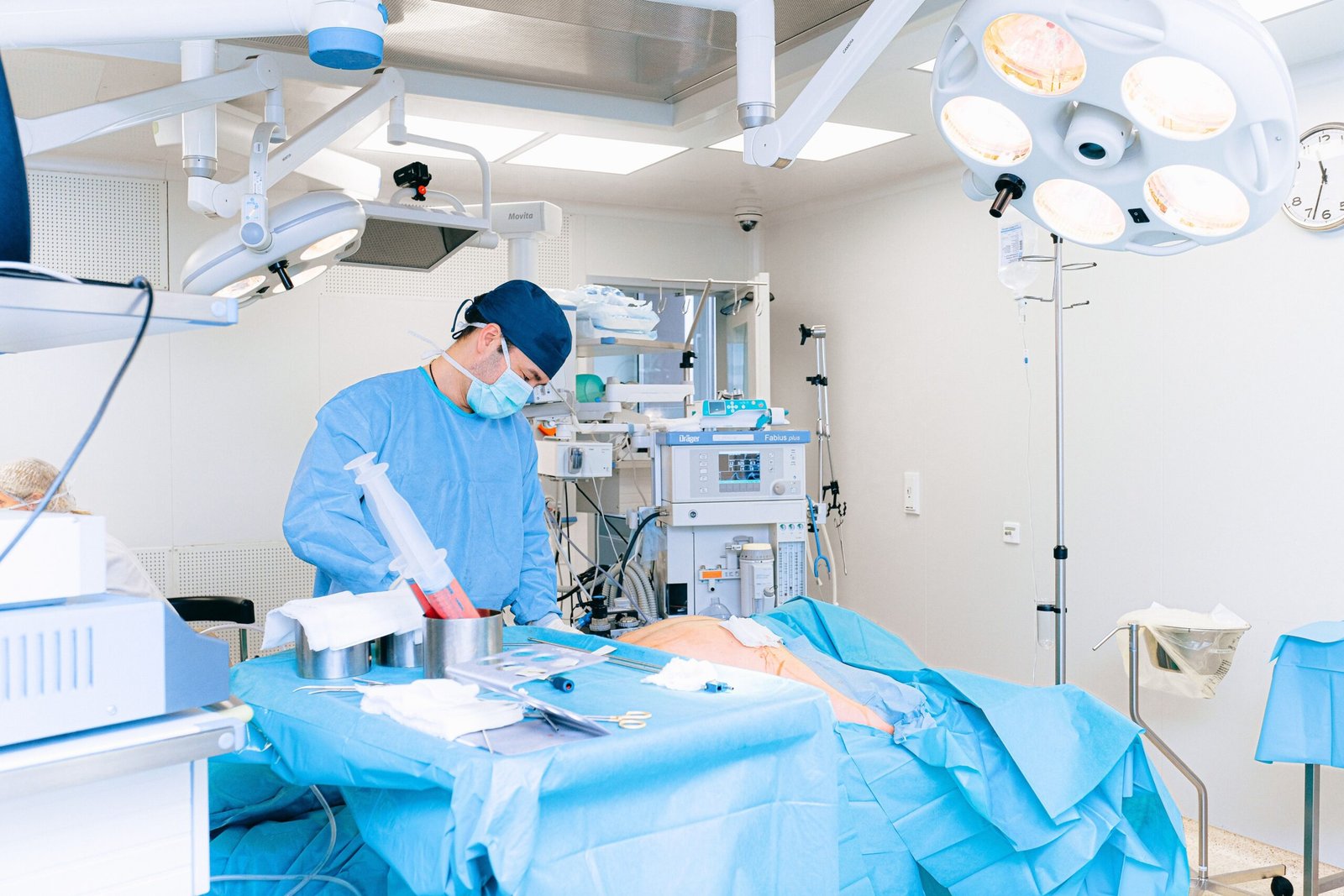
Program Overview
Degree Title
Bachelor of Science in Anesthesia Technology
Duration
4 Years
Total Semesters
8 (2 semesters per year)
Total Credit Hours
127 Credits
Recognition
Aligned with healthcare standards, KMU affiliated, HEC recognized
Career Pathway
Graduates work as anesthesia technologists in hospital operating rooms and intensive care units
Program Objectives
- Learn anesthesia equipment and monitoring
- Master airway management and patient monitoring
- Understand anesthesia drugs and safety
- Support anesthesiologists in patient care
- Apply safety standards in anesthesia practice
- Combine technical skill with patient safety focus
Scholarships & Financial Aids
Jalil College offers scholarships up to 100% for eligible students.
03093363666
+923093363666
"Support Surgical Care"
CAREER OPPORTUNITIES
- Surgical Technologist in general surgery
- Specialty OR Technologist
- Equipment Technician
- OR Department Lead
- Private surgical center technologist
Year 1: Foundation and basic sciences
Semester 1 (16 Credits)
- English I (3 + 0 = 3)
- Islamic Studies / Ethics (2 + 0 = 2)
- Information Technology (2 + 1 = 3)
- Anatomy & Physiology I (3 + 1 = 4)
- Biochemistry I (2 + 1 = 3)
- Introduction to Anesthesia Technology (1 + 0 = 1)
Clinical Exposure
Operating room introduction, equipment overview, monitoring basics.
Semester 2 (19 Credits)
- English II (3 + 0 = 3)
- Pakistan Studies (2 + 0 = 2)
- Anatomy & Physiology II (3 + 1 = 4)
- Biochemistry II (2 + 1 = 3)
- Applied Physics (3 + 1 = 4)
- Behavioral Sciences (2 + 0 = 2)
- Medical Terminology (1 + 0 = 1)
Clinical Exposure
Operating room introduction, equipment overview, monitoring basics.
Year 2: Anesthesia science and equipment
Semester 3(18 Credits)
- Anatomy for Anesthesia (3 + 1 = 4)
- Physics for Anesthesia Equipment (3 + 1 = 4)
- Physiology for Anesthesia (3 + 1 = 4)
- Pharmacology I (3 + 0 = 3)
- Medical Ethics (2 + 0 = 2)
- Biostatistics (1 + 0 = 1)
Practical Training
Anesthesia equipment operation, airway models, patient monitoring setup.
Semester 4 (17 Credits)
- Pharmacology II Anesthetic Drugs (3 + 0 = 3)
- Principles of Anesthesia (3 + 1 = 4)
- Airway Management & Intubation (3 + 2 = 5)
- Clinical Assessment & Pre-operative Prep (2 + 1 = 3)
- Research Methodology (2 + 0 = 2)
Practical Training
Anesthesia equipment operation, airway models, patient monitoring setup.
Year 3: Anesthesia techniques
Semester 5(17 Credits)
- General Anesthesia Techniques (3 + 2 = 5)
- Regional Anesthesia Spinal, Epidural (3 + 1 = 4)
- Patient Monitoring Technology (3 + 1 = 4)
- Fluid & Electrolyte Balance (3 + 0 = 3)
- CPR & Emergency Support (1 + 0 = 1)
Advanced Training
Regional anesthesia, specialized patient populations, critical care.
Semester 6 (15 Credits)
- Specialized Anesthesia Pediatric & Obstetric (3 + 2 = 5)
- Critical Care & ICU Management (3 + 2 = 5)
- Pain Management (2 + 0 = 2)
- Blood Gas Analysis (2 + 1 = 3)
Advanced Training
Regional anesthesia, specialized patient populations, critical care.
Year 4: Advanced practice and internship
Semester 7(13 Credits)
- Cardiothoracic Anesthesia (3 + 2 = 5)
- Anesthesia Equipment Maintenance (2 + 1 = 3)
- Emergency Medicine & Trauma (2 + 1 = 3)
- Hospital Administration (2 + 0 = 2)
Clinical Placement
Full internship supporting anesthesiologists in operating rooms and intensive care.
Semester 8 (12 Credits)
- Clinical Internship Operating Room & ICU (0 + 6 = 6)
- Research Project / Thesis (0 + 4 = 4)
- Seminars / Viva Voce (0 + 2 = 2)
Clinical Placement
Full internship supporting anesthesiologists in operating rooms and intensive care.
Admissions and eligibilty
Academic Requirements
- Intermediate (F.Sc) Pre-Medical with minimum 50% marks
- Age: 17-25 years preferred
- KMU CAT Test Clarence
Required Documents
- Attested academic certificates
- CNIC/Form-B and domicile
- Character certificate from previous school
- Passport-size photographs
- Application form with processing fee
Key learning outcomes
Graduates will be able to:
- Operate anesthesia equipment
- Manage airways and assist with intubation
- Monitor patient vital signs
- Prepare and administer anesthetic drugs safely
- Support anesthesiologists during procedures
- Respond in anesthesia emergencies
- Maintain and troubleshoot equipment
Anesthesia area covered
- General Anesthesia
- Regional Anesthesia
- Pediatric Anesthesia
- Obstetric Anesthesia
- Cardiac Anesthesia
- Critical Care Support
Who should apply?
Have strong physics and physiology knowledge
Work well with technical equipment
Stay calm in demanding situations
Focus on detail and accuracy
Value patient safety
Handle responsibility well